Cruz Yen +1 (305) 555-0163

In the studio

Classes and sessions


Five ways into the practice, for beginners, returning dancers and experienced movers who want structure plus room to express. Every one of them works on body awareness, musicality and individual expression; they differ in how much material is set and how far you take it.

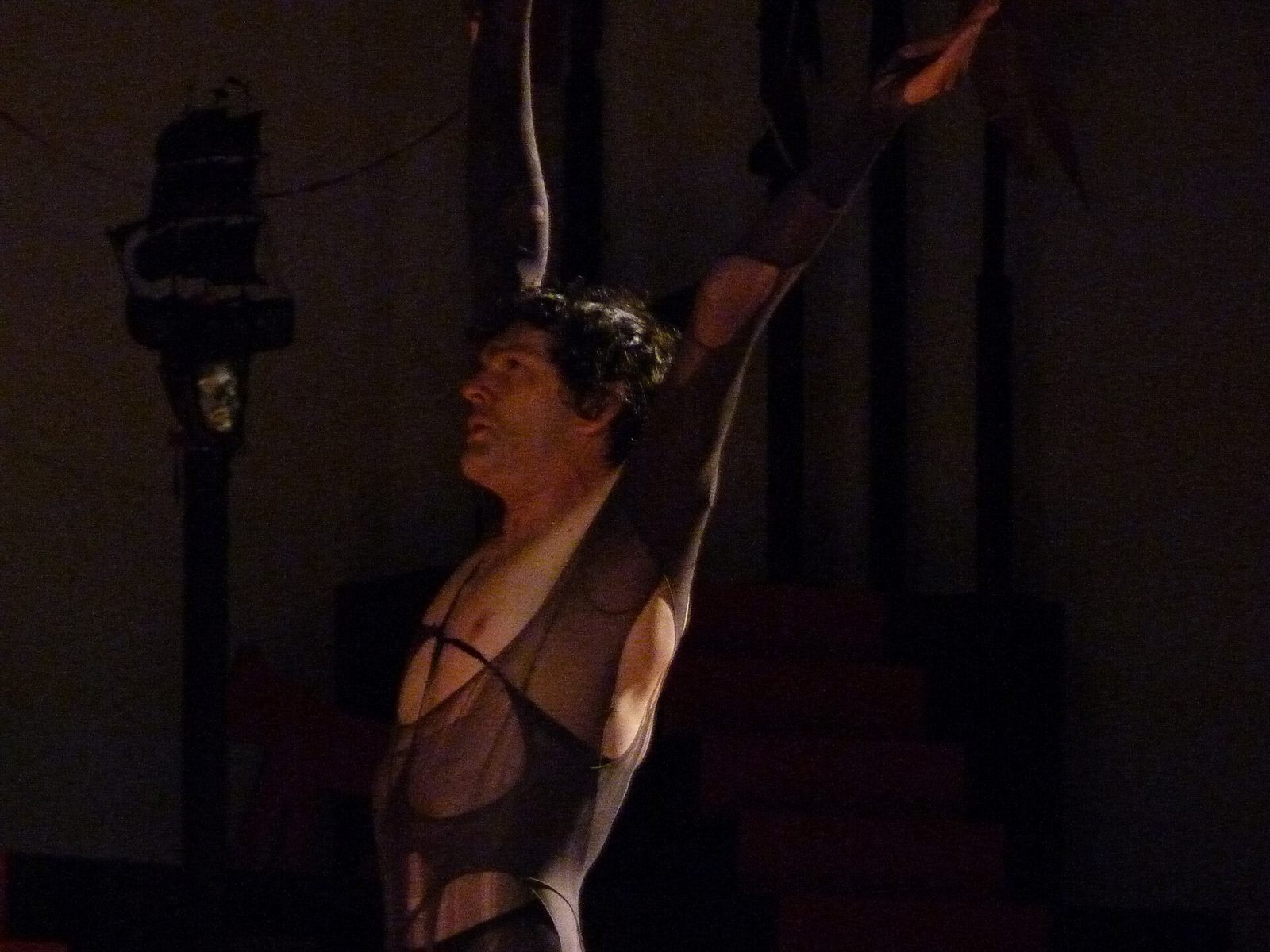
Floor work in a modern dance class

Foundations class

Body awareness, alignment, breath and first floor work for people new to modern dance or returning after a long pause.

A Foundations hour begins lying down. The first ten minutes are breath and noticing where the weight actually sits, which sounds gentle and turns out to be work. From there you travel through sitting, kneeling and standing, then cross the floor in patterns simple enough to finish. Nothing is thrown at you before you can hold it, and the same shapes return week after week so the body can recognise them instead of guessing.
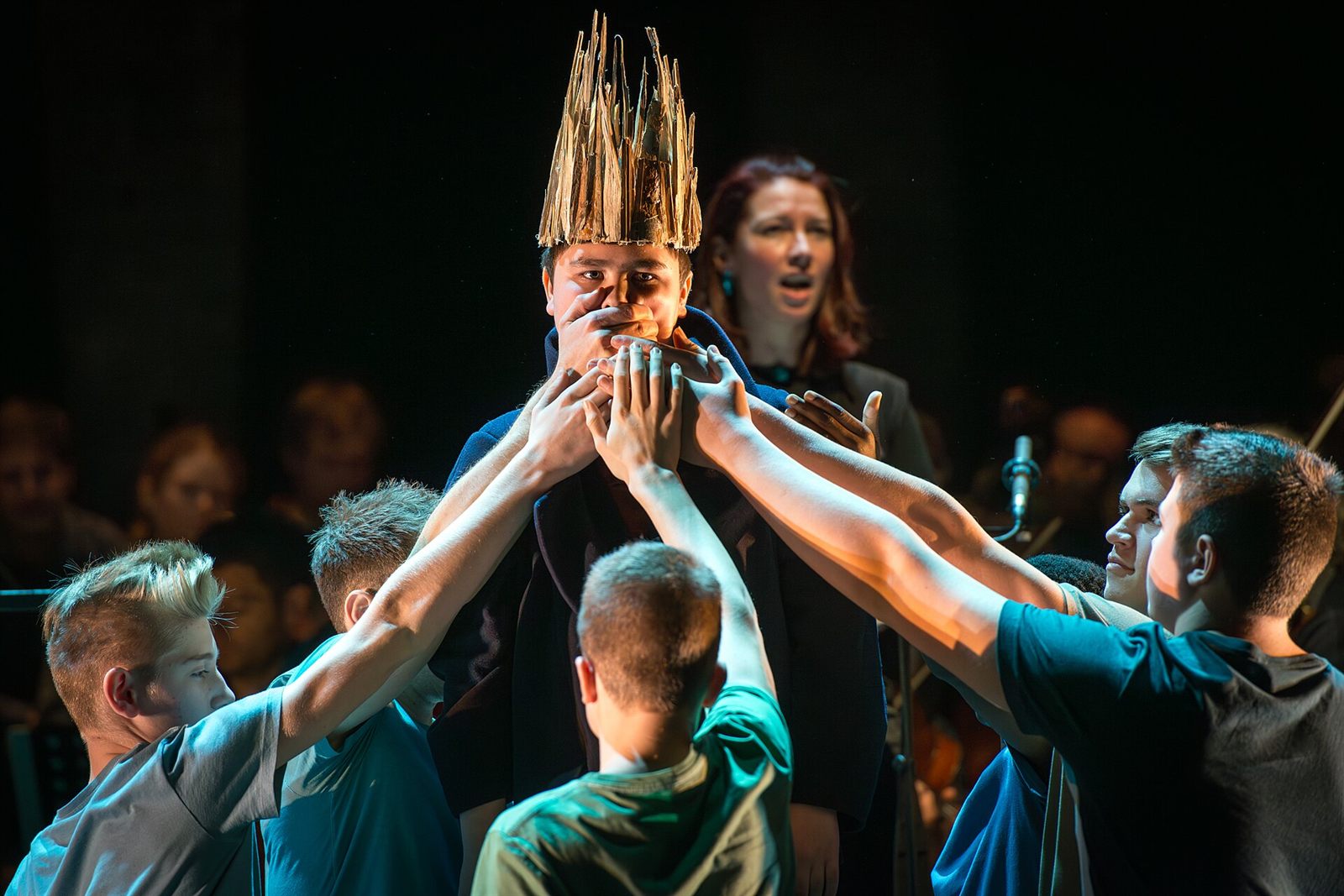
A rehearsal building a phrase

Technique and phrase work

Modern dance vocabulary, transitions and the craft of building a phrase that reads clearly from the floor.

The warm-up builds in layers, then the phrase starts: eight counts, then sixteen, then a turn that has to be prepared two moves earlier. You learn the vocabulary, then you learn how to make it legible, because a shape that only works in the mirror is not finished. Corrections here are about clarity and transitions, where a movement starts, what it passes through, and how it lands.

Improvisation lab

Movement qualities, musicality and expression, explored through structured tasks rather than fixed choreography.

Each task has a rule and a question, and you answer it with the body. Move only from the ribs. Begin every phrase from a fall. Make the silence the loudest part of the room. You work the task alone, then in pairs, then with the whole floor moving at once, and afterwards you say what happened, because naming it is how a lucky accident becomes something you can repeat.

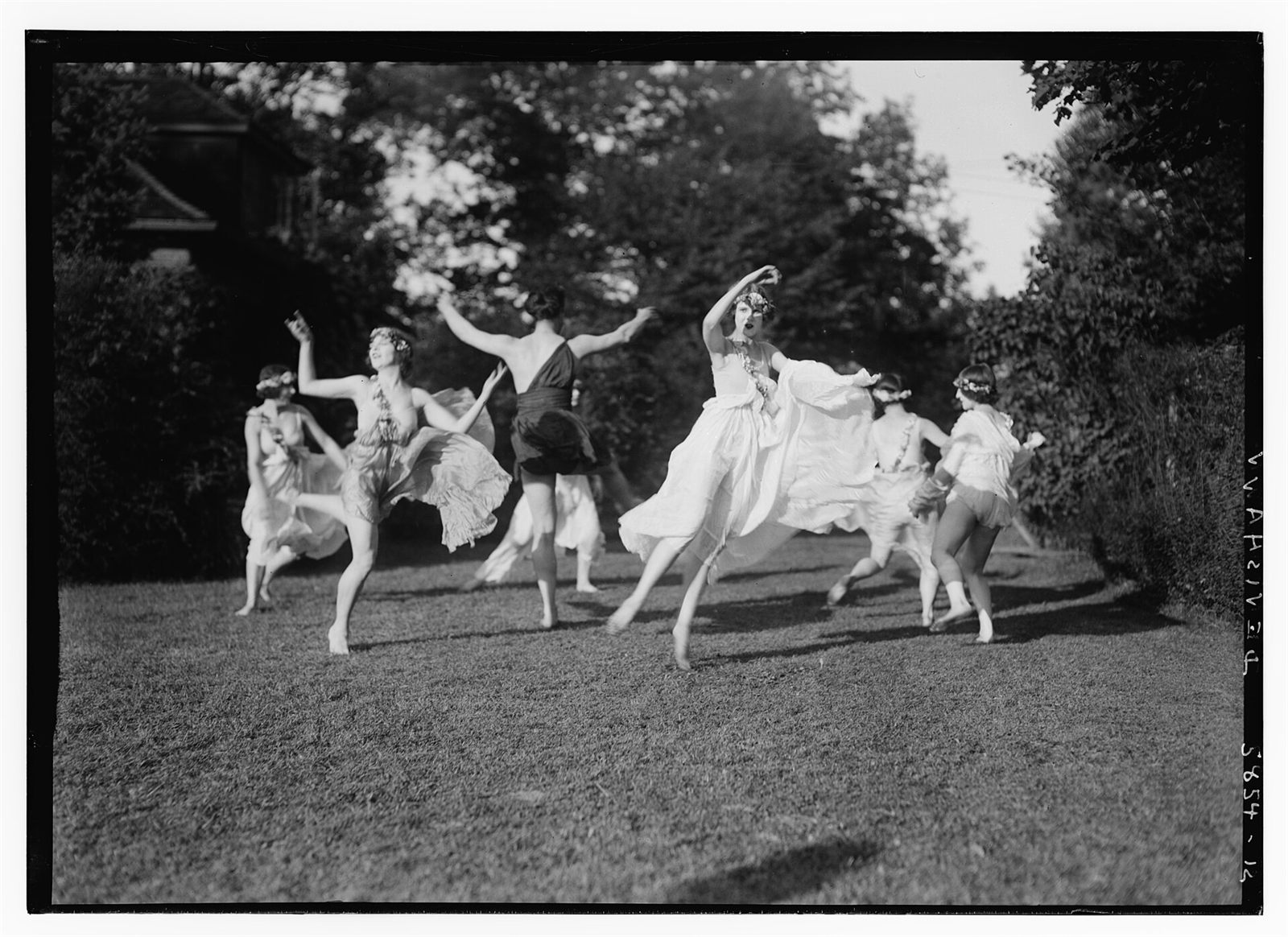
A group moving together across the floor

Community sessions

Open-level sessions where the material adapts to the room and nobody auditions to belong.

The same material is scaled three ways inside one hour, so a first-timer, a returning dancer and someone who has been at it for years are all working hard at their own edge. You will not dance with the same people twice in a row, which is the point: ensemble listening only grows when the group keeps changing.

Performance workshop

Seasonal ensemble work for dancers who want to stand in front of an audience with something honest.

Pieces are built over weeks with the discipline that rehearsal actually requires: marking, spacing runs, running it tired, running it once more after the note. The aim is not spectacle. It is an ensemble that knows why it is on the floor and can do the same thing twice, in front of people, without losing the reason.

Running through all of it

Eight threads of the practice

No class is only about one thing. These threads are what the weeks are actually spent on, whichever door you come in through.

  • Body awareness
  • Floor work and falls
  • Musicality and rhythm
  • Improvisation
  • Phrase building
  • Performance confidence
  • Breath and spacing
  • Ensemble listening

Who it is for

Beginners, returning dancers and experienced movers

People come to Cruz Yen wanting structure plus room to express, and those two needs are not in competition. The structure is the technique, the counts, the corrections and the repetition. The room to express is the improvisation, the variations and the fact that your phrase does not have to look like the one next to it.

If you have never danced, start with Foundations. If you danced years ago, start with Foundations and be surprised how fast the body remembers. If you dance already and want more from the material, say so when you write and Raymond will point you at the right hour.

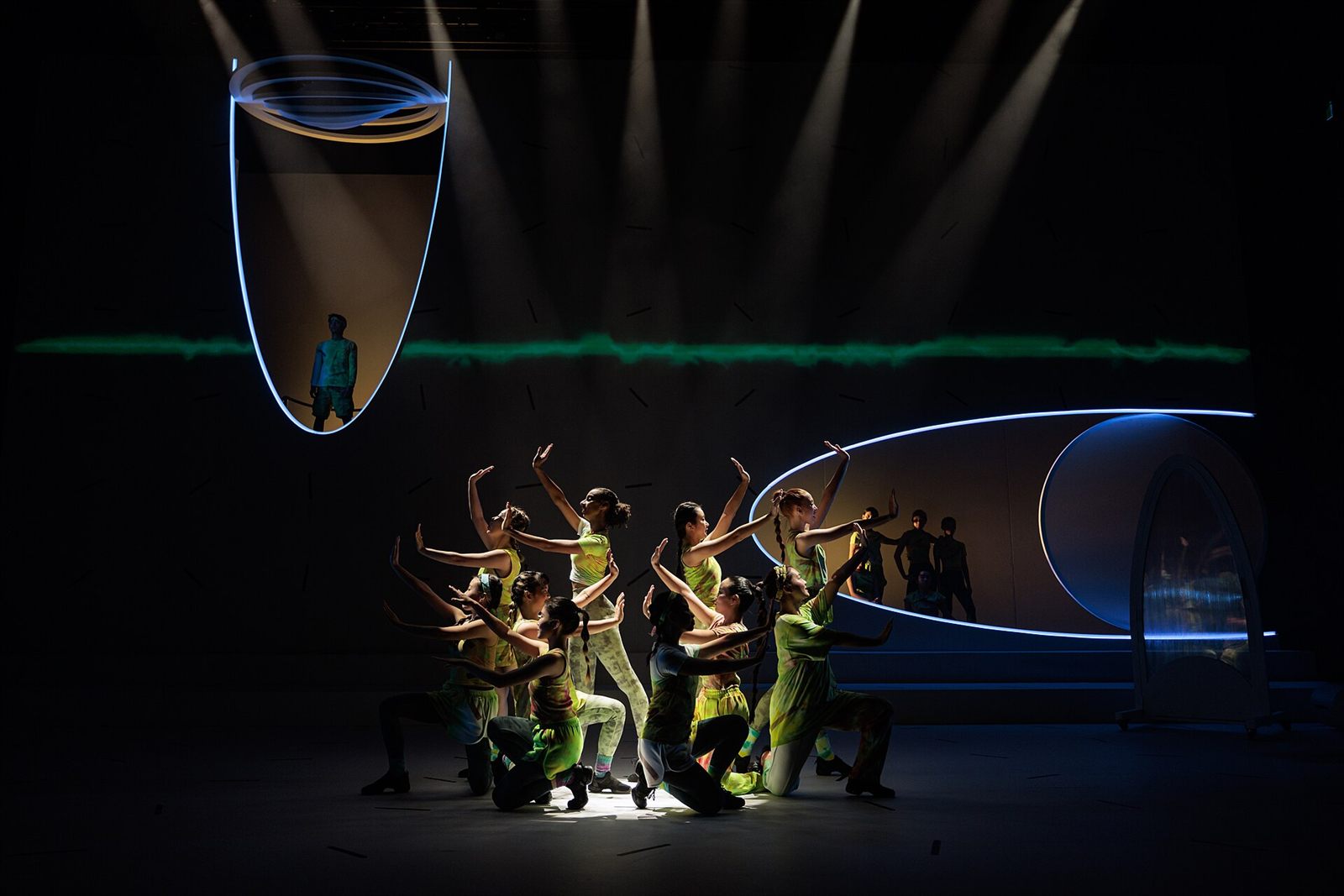
Movement practice in an open studio
The floor is open to all of it